
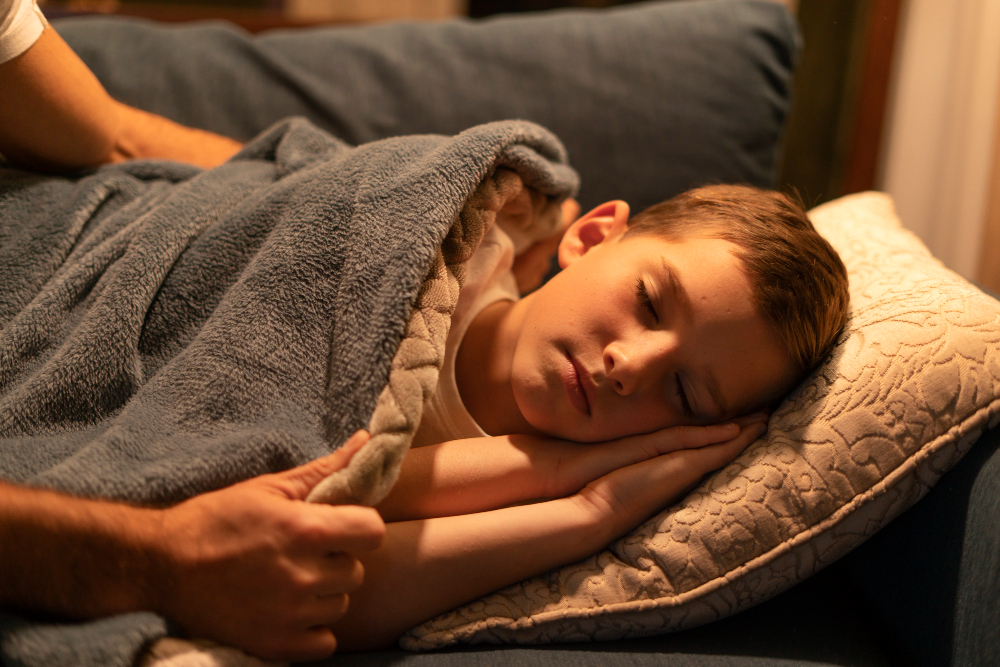
Many parents wonder, “How much sleep do children really need?” Sleep is vital for a child’s growth, learning, and mood. Without enough rest, children may struggle at school or feel cranky. In this blog, we will explore the recommended sleep durations by age, why sleep matters, signs of sleep deprivation, and tips for healthy sleep habits. Understanding these facts can help your child thrive every day.
Recommended Sleep Durations by Age
Experts like the Centers for Disease Control and Prevention (CDC) and the American Academy of Sleep Medicine provide clear sleep guidelines for kids. Children need different amounts of sleep as they grow. Here are the recommended hours of sleep for each age group:
As children grow, their sleep needs change. However, getting enough sleep at each stage supports healthy development.
Why Sleep Is Important for Children
Sleep is not just about rest. In fact, it helps children’s bodies and minds grow. During sleep, the brain processes new information and stores memories. Also, the body repairs tissues and builds muscles. Good sleep boosts the immune system, so children get sick less often. Furthermore, enough rest helps with mood, attention, and learning. Without proper sleep, children may have trouble focusing or remembering things.
Signs of Sleep Deprivation in Children
Sometimes, it can be hard to tell if a child is not getting enough sleep. Still, there are common signs to watch for:
If you notice these signs, your child may need more sleep. Addressing sleep issues early can help prevent bigger problems later.
Tips for Establishing Healthy Sleep Habits
Healthy sleep habits can make bedtime easier for both children and parents. Here are some simple tips to help your child get enough rest:
With these steps, children can fall asleep faster and stay asleep longer. Over time, good sleep habits support better health and learning.
When to Seek Medical Advice
Most sleep problems can be managed at home. However, sometimes children have ongoing trouble sleeping. If your child:
Then, it is important to talk to a pediatrician. Sleep disorders can affect health and learning. Early help can make a big difference.
Consult a pediatrician for personalized sleep guidance for your child.