
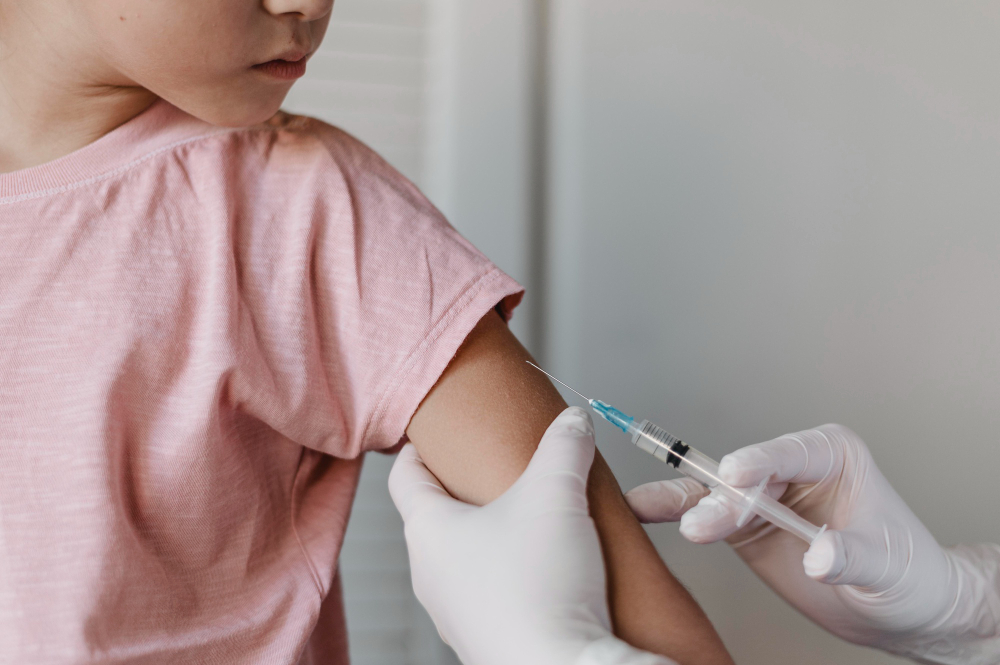
Childhood immunizations are a key part of keeping your child healthy. Vaccines protect children from serious diseases that can cause lasting harm. In fact, following the childhood vaccine schedule helps prevent outbreaks and keeps your family safe. This guide explains why childhood immunizations matter, which vaccines your child needs, and how to stay on track with their shots.
What Are Childhood Immunizations?
Childhood immunizations are vaccines given to children at different ages. These shots help the body build protection against harmful diseases. For example, vaccines can prevent illnesses like measles, polio, and whooping cough. Most vaccines are given as a shot in the arm or leg. Some may be given by mouth or nose. Each vaccine is tested for safety before it is used.
Why Are Vaccines Important for Children?
Vaccines are important because they stop children from getting sick with dangerous diseases. Even though some diseases are rare now, they can return if children are not vaccinated. Also, vaccines help protect babies and children who are too young or too sick to get shots. When most children are vaccinated, diseases have less chance to spread.
Recommended Vaccines by Age Group
Doctors follow a childhood vaccine schedule to make sure children get the right shots at the right time. The Centers for Disease Control and Prevention (CDC) and the World Health Organization (WHO) recommend these vaccines:
Some children may need extra vaccines based on health or travel needs. Always check with your doctor for a full pediatric vaccination guide.
How Vaccines Work: Protecting Your Child
Vaccines teach the body to fight germs without causing the disease. When your child gets a vaccine, their immune system learns to spot and attack the real germ if it ever shows up. As a result, your child is less likely to get sick. This process is safe and helps build strong, lasting protection.
Common Myths and Facts About Childhood Vaccines
Many parents have questions about vaccines. Here are some common myths and the facts:
Trusted sources like the CDC and WHO confirm these facts. If you have concerns, talk to your child’s doctor.
Safety and Side Effects of Vaccines
Vaccines are tested for safety before they are approved. Most side effects are mild and go away quickly. For example, your child may have a sore arm, mild fever, or fussiness after a shot. Serious side effects are very rare. However, if you notice anything unusual, call your doctor right away. The benefits of vaccines far outweigh the risks.
Tips for Parents: Keeping Up With Immunization Schedules
Staying on track with the childhood vaccine schedule is important. Here are some tips to help:
By following these steps, you can make sure your child stays protected.
Prevention and Community Protection (Herd Immunity)
When most people in a community are vaccinated, diseases have less chance to spread. This is called herd immunity. Because of herd immunity, even those who cannot get vaccines are protected. For example, babies and people with weak immune systems rely on others to be vaccinated. So, by keeping up with your child’s shots, you help protect everyone.
In summary, childhood immunizations are a safe and proven way to keep your child healthy. They also help protect your family and community. Consult your pediatrician to ensure your child receives all recommended vaccines on time.