
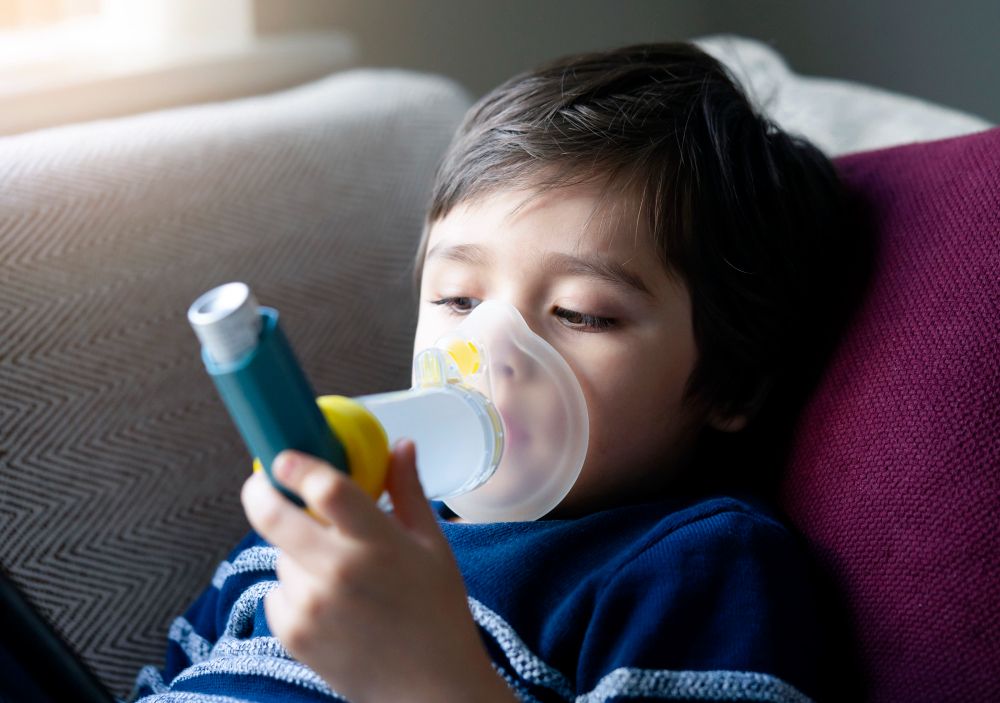
What is Childhood Asthma?
Childhood asthma is a long-term condition that affects the airways in children. It causes the airways to become swollen and narrow. As a result, children may find it hard to breathe. Asthma is common in kids, but with the right care, most children can live active lives. Early recognition and good management are important for keeping symptoms under control.
Common Symptoms of Childhood Asthma
Recognizing asthma symptoms in children helps parents act quickly. While symptoms can vary, some signs are more common. For example, you may notice:
Sometimes, symptoms may get worse with colds, exercise, or exposure to triggers like dust or smoke.
Causes and Risk Factors
There are several causes and risk factors for childhood asthma. Although the exact cause is not always clear, some things can increase a child’s risk. For instance:
Additionally, children with allergies or eczema are more likely to develop asthma.
How to Recognize an Asthma Attack
It is important to know the signs of an asthma attack. An asthma attack happens when symptoms suddenly get worse. For example, you may notice:
If you see these signs, act quickly. Give your child their rescue inhaler and seek medical help right away.
Diagnosis: How Doctors Identify Childhood Asthma
Doctors use several steps to diagnose childhood asthma. First, they ask about your child’s symptoms and family history. Next, they may listen to your child’s breathing. Sometimes, doctors use breathing tests to check how well the lungs work. In young children, these tests can be hard, so doctors may rely on symptoms and response to asthma medicines. According to the CDC, a clear diagnosis helps guide the best treatment plan.
Effective Management and Treatment Options
Managing asthma in kids involves several steps. Most children need two types of medicines:
Doctors may also suggest allergy medicines if allergies trigger asthma. It is important to follow the doctor’s plan and give medicines as directed. Regular check-ups help track progress and adjust treatment if needed.
Home and Lifestyle Tips for Asthma Control
There are many ways parents can help control asthma at home. For example:
With these steps, you can reduce asthma triggers and help your child breathe easier.
Preventing Asthma Attacks in Children
Preventing asthma attacks is possible with good habits. For instance, you should:
By staying alert and prepared, you can help prevent serious asthma attacks.
When to Seek Medical Help
Sometimes, asthma symptoms can become serious. Seek medical help right away if your child:
Early treatment can prevent life-threatening problems. Always keep emergency numbers handy.
Conclusion
Childhood asthma can be managed with the right care and support. If you suspect your child has asthma or need personalized advice, consult a pediatric specialist. Early action and good habits can help your child stay healthy and active.