
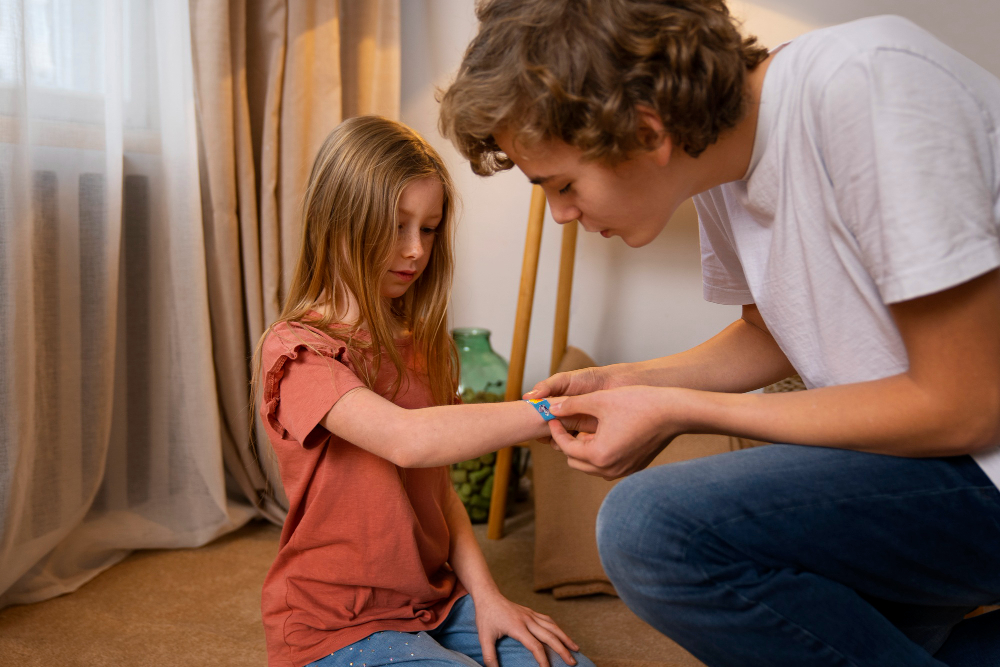
Every parent wants their child to stay safe. Preventing common childhood injuries at home and outdoors is important for every family. Children are curious and active, so accidents can happen quickly. However, many injuries can be avoided with simple steps. By learning about risks and using child injury prevention tips, you can help keep your kids safe every day.
Understanding Childhood Injuries
Children often get hurt while playing or exploring. Most injuries are minor, but some can be serious. For example, falls, burns, cuts, and choking are common at home. Outdoors, children may get hurt on playgrounds, while cycling, or near water. Knowing the risks helps you prevent childhood accidents before they happen. According to the CDC, most injuries in children are preventable with the right safety measures.
Home Safety Tips
Home is where children spend most of their time. Still, many accidents happen here. To make your home safer, try these tips:
Outdoor Safety Tips
Playing outside is fun and healthy for children. Yet, outdoor safety for children is just as important. Here are some ways to prevent injuries outdoors:
Supervision and Education
Even with safety steps, supervision is key. Always watch young children, especially in risky areas. In addition, teach children about safety rules. For example, explain why they should not run on stairs or touch hot surfaces. When children understand risks, they make safer choices. In rural areas, watch for farm equipment or animals. In cities, teach children about traffic and crowded places.
Emergency Preparedness
Sometimes, accidents still happen. Therefore, it helps to be ready. Learn basic first aid, such as how to treat cuts or burns. Keep a first aid kit in your home and car. Know emergency numbers and when to call for help. If a child has trouble breathing, loses consciousness, or has a serious injury, seek medical help right away. The American Academy of Pediatrics recommends learning CPR if you care for children.
Prevention Checklist
In summary, preventing common childhood injuries at home and outdoors takes planning and care. Simple steps and good habits can make a big difference. For more help, consult a pediatrician or safety specialist for personalized guidance on preventing childhood injuries.