
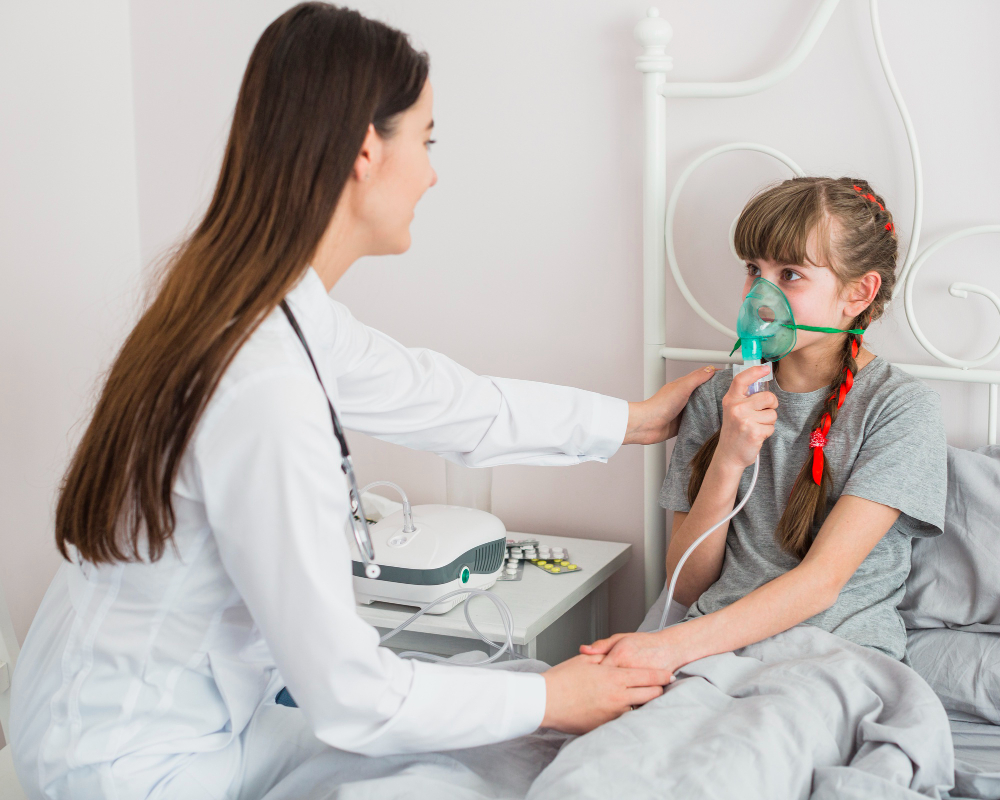
Acute respiratory failure in children is a serious condition. It happens when a child’s lungs cannot provide enough oxygen to the body or remove enough carbon dioxide. Because of this, the body’s organs may not work properly. Early recognition is important. Without quick treatment, acute respiratory failure in children can become life-threatening. Understanding the signs, causes, and treatments can help parents act fast and protect their child’s health.
Symptoms of Acute Respiratory Failure in Children
Children may show different symptoms. Some signs are mild, while others are more severe. Knowing what to look for can help you act quickly. Below are common and warning signs:
Causes and Risk Factors
Many things can lead to acute respiratory failure in children. Some causes are more common than others. For example, infections are a leading cause. Other causes and risk factors include:
Because some children have higher risk, it is important to know your child’s health history. For instance, children with asthma or weak lungs may need extra care.
Diagnosis
Doctors use several steps to diagnose acute respiratory failure in children. First, they check the child’s breathing and oxygen levels. Next, they may order tests to find the cause. Common tests and procedures include:
Sometimes, doctors may use special breathing tests. These help them understand how well the lungs are working.
Treatment Options
Treatment for acute respiratory failure in children depends on the cause and severity. Most children need care in a hospital. Common treatments include:
Doctors monitor children closely during treatment. With the right care, many children recover well.
Prevention and Home Care Tips
While not all cases can be prevented, parents can take steps to lower the risk. Here are some helpful tips:
After treatment, make sure your child gets plenty of rest and fluids. If your child uses inhalers or other devices, use them as prescribed.
When to Seek Medical Help
Some symptoms need urgent care. If your child shows any of these signs, seek medical help right away:
Do not wait if you are unsure. It is always better to be safe and call your doctor or visit the emergency room.
If your child shows any symptoms of acute respiratory failure, consult a pediatric specialist for personalized advice.