
Introduction
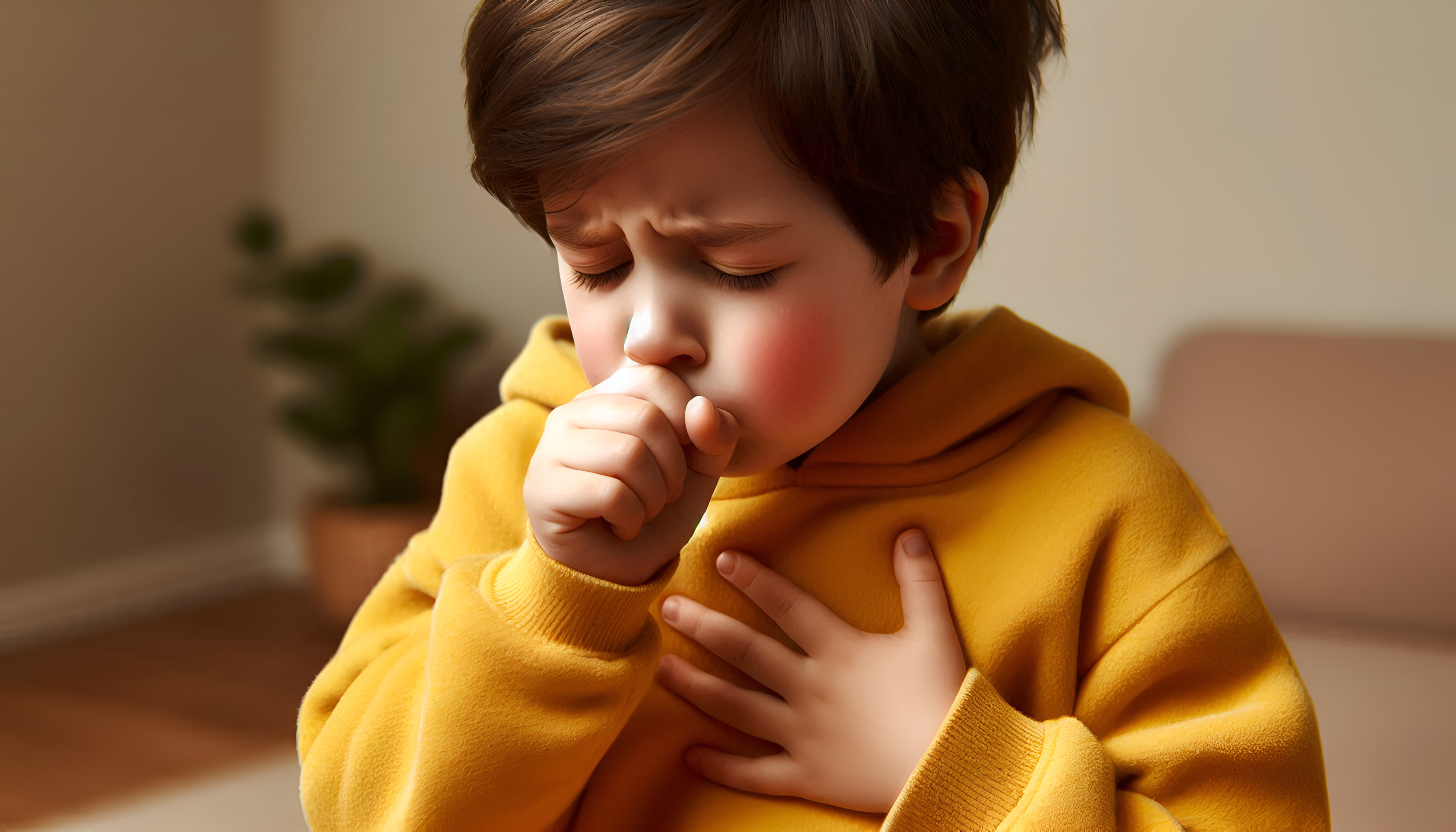
Cough in children is a common concern for many parents. Often, a cough helps clear the airways. However, a persistent cough in kids can worry families. Understanding childhood cough causes, symptoms, and treatments is important. In some cases, you may wonder when to see a pediatrician for cough. This guide will help you learn more about cough in children and how to care for your child.
What is a Cough in Children?
A cough is a natural reflex. It helps clear the throat and airways of mucus, germs, or dust. In children, coughing can happen for many reasons. Sometimes, it is mild and goes away on its own. Other times, it may last longer or come with other symptoms. Because children’s immune systems are still growing, they may cough more often than adults.
Common Causes of Cough in Children
There are several reasons why a child may develop a cough. Some causes are mild, while others need medical attention. Here are the most common causes:
Symptoms to Watch For
While many coughs are mild, some symptoms mean your child needs medical care. For example, watch for these signs:
If you notice any of these, seek help right away. Early care can prevent serious problems.
How Cough in Children is Diagnosed
Doctors use several steps to find the cause of a cough in children. First, they ask about your child’s symptoms and health history. Next, they listen to your child’s chest with a stethoscope. Sometimes, they may order tests, such as:
Because each child is different, the doctor will choose the best tests for your child’s needs.
Treatment Options for Cough in Children
Treatment depends on the cause of the cough. In many cases, rest and fluids help children recover. However, some children need medicine or other care. Common treatments include:
For severe cases, such as pneumonia or whooping cough, hospital care may be needed.
Home Care and Lifestyle Tips
There are simple steps you can take at home to help your child feel better. For instance, try these tips:
Although these tips can help, always watch for signs that your child’s cough is getting worse.
Prevention Strategies
Preventing cough in children is possible with a few simple steps. For example, you can:
Because prevention is key, these habits can lower your child’s risk of getting sick.
When to Consult a Pediatrician
Sometimes, a cough in children needs a doctor’s care. You should call your pediatrician if:
Early medical care can help your child recover faster and avoid problems.
Conclusion
Cough in children is common, but it can have many causes. While most coughs are mild, some need a doctor’s care. Always watch for warning signs and follow home care tips. If your child has a persistent cough, consult a pediatrician for personalized advice.