
Introduction
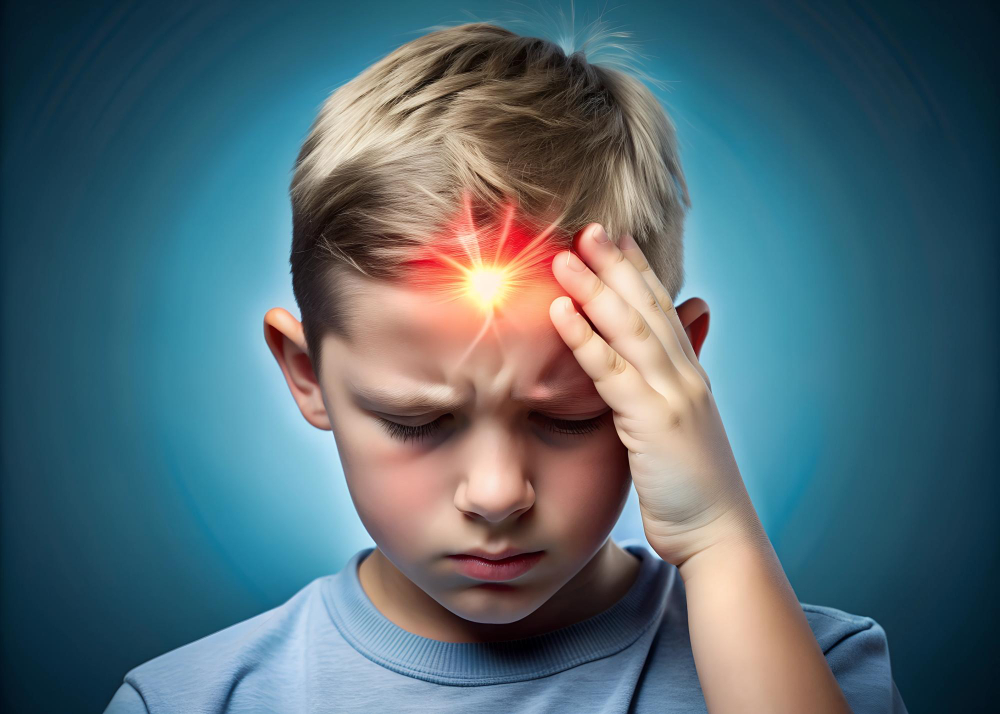
Many parents wonder about the causes of headaches in children. Headaches are common in kids, but they can worry families. You may ask, “Why do children get headaches?” or want to know about common pediatric headache causes. In fact, childhood headache triggers can range from simple daily habits to medical conditions. Understanding these causes helps parents support their children and know when to seek help.
Overview: Headaches in Children
A headache is pain or discomfort in the head or face. Children can get headaches just like adults. Sometimes, the pain is mild and goes away quickly. Other times, it can last longer or come back often. Although most headaches in children are not serious, they can affect daily life. For example, headaches may cause trouble with school or play. Knowing what causes headaches can help parents find ways to prevent them.
Common Causes of Headaches in Children
There are many reasons why children get headaches. Some causes are simple, while others need more attention. Below are the most frequent causes:
Less Common Causes
While most headaches in children are not serious, some rare causes need attention. For instance, a head injury can lead to headaches. In addition, underlying medical conditions like high blood pressure, brain infections, or tumors are possible but rare. If headaches are sudden, severe, or different from usual, it is important to see a doctor.
When to Seek Medical Help
Most headaches in children are mild and go away with rest. However, some warning signs mean you should seek medical help right away. Watch for these symptoms:
If you notice any of these signs, contact your doctor or visit the emergency room.
Prevention Tips for Parents
There are simple steps parents can take to help prevent headaches in children. Try these tips:
According to the CDC and pediatric experts, these steps can lower the risk of headaches in children.
Conclusion
Headaches in children are common and usually not serious. However, knowing the causes of headaches in children helps parents take action. If your child experiences frequent or severe headaches, consult a pediatrician for personalized advice.