
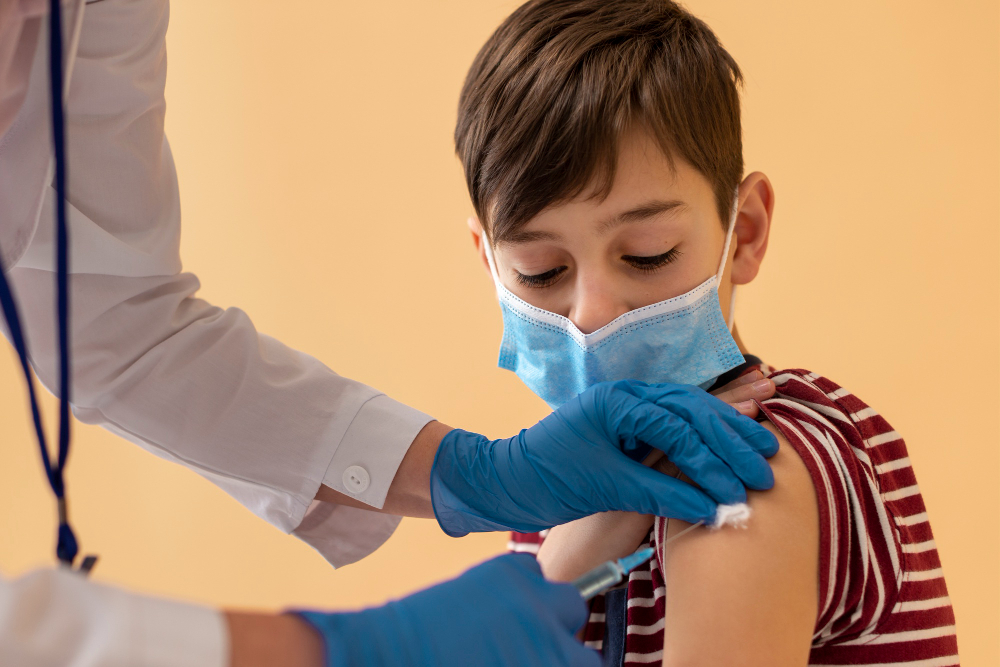
Vaccinations in children are vital for keeping kids healthy. They help prevent many serious diseases. The childhood immunization schedule tells parents when to get each shot. Many parents wonder about vaccine safety for kids and want to know more about pediatric vaccines. In this blog, you will learn why vaccines matter, how they work, and how to keep your child on track with their shots.
What Are Vaccinations in Children?
Vaccinations in children are special shots that protect kids from harmful diseases. These shots use tiny, safe parts of germs. Because of this, the body learns to fight the real disease if it ever appears. For example, vaccines can protect against measles, mumps, and polio. Most vaccines are given by injection, but some are drops or sprays. Children get these vaccines at different ages, following a set schedule.
Why Are Vaccinations Important for Children?
Vaccines save lives. They stop children from getting sick with diseases that once caused many deaths. For instance, polio and measles are now rare in many countries because of vaccines. Also, when most children are vaccinated, diseases cannot spread easily. This protects babies, older people, and those who cannot get vaccines. According to the World Health Organization (WHO), vaccines prevent 3 million deaths each year. So, vaccines help keep your child and your community safe.
Recommended Childhood Vaccination Schedule
Doctors follow a childhood immunization schedule to give vaccines at the best times. The schedule may differ by country. In the United States, the Centers for Disease Control and Prevention (CDC) recommends:
In other countries, like India or the UK, the schedule may include different vaccines or timings. Always check with your local health provider.
Common Myths and Facts About Pediatric Vaccines
Vaccine Safety: What Parents Need to Know
Vaccine safety for kids is a top priority for doctors and health agencies. Before approval, vaccines go through many tests. After approval, experts keep checking for any problems. Most side effects are mild, like a sore arm or mild fever. Serious reactions are very rare. The CDC and WHO both confirm that vaccines are safe for children. If you have concerns, talk to your child’s doctor.
How to Prepare Your Child for Vaccinations
Getting shots can make children nervous. However, there are ways to help:
Frequently Asked Questions About Childhood Vaccines
Tips for Parents: Keeping Track of Vaccinations
It is important to keep a record of your child’s vaccines. Here are some tips:
In summary, vaccinations in children protect against many serious diseases. They are safe, effective, and important for your child’s health. For the best advice, consult your pediatrician for personalized vaccination guidance for your child.