
What Are Ear Infections in Children?
Ear infections in children are common. They happen when germs cause swelling or fluid in the middle ear. Many parents worry about ear infections because they can cause pain and hearing problems. According to the CDC, most children will have at least one ear infection by age three. Early care can help prevent problems. This blog will explain symptoms, causes, diagnosis, treatment, and prevention of ear infections in children.
Common Symptoms of Ear Infections in Children
Children may not always say they have ear pain. However, there are signs you can watch for. For example, some children may pull at their ears. Others may cry more than usual. Here are common symptoms:
Sometimes, symptoms are mild. But, if your child has a high fever or severe pain, seek medical help.
Main Causes and Risk Factors
Ear infections in children often start after a cold or sore throat. Viruses or bacteria can travel to the middle ear. As a result, fluid builds up and causes infection. Several factors can increase the risk:
Because children’s ear tubes are shorter and more level, germs can reach the middle ear more easily.
Diagnosis Methods
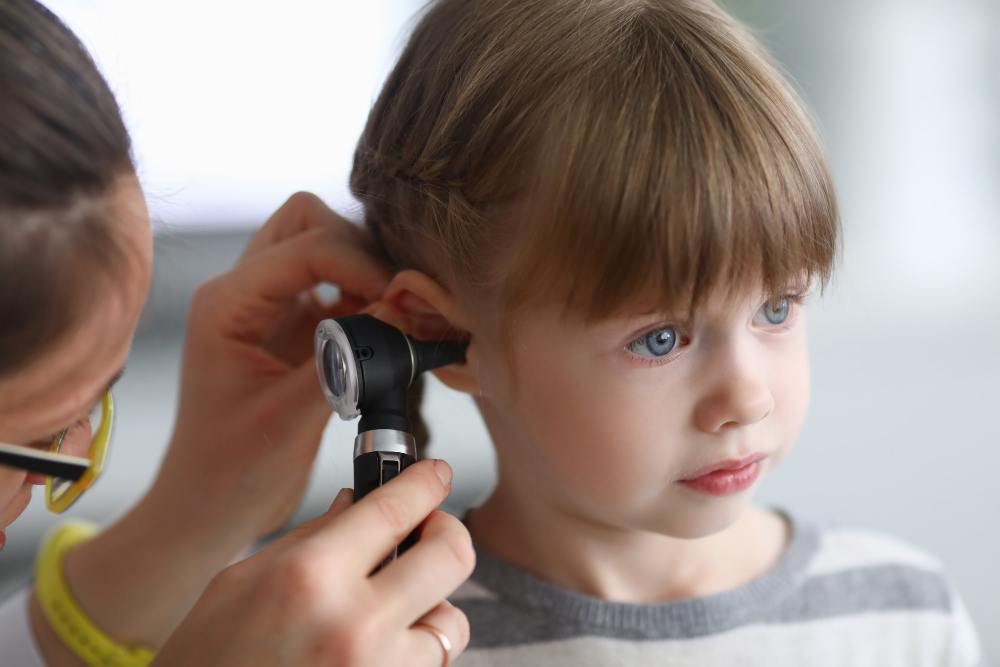
Doctors use simple tools to check for ear infections in children. First, they will ask about symptoms. Next, they use an otoscope to look inside the ear. This tool helps them see if the eardrum is red, swollen, or has fluid behind it. Sometimes, doctors use a special device to check how the eardrum moves. In rare cases, hearing tests may be needed. Early diagnosis helps prevent hearing loss or other problems.
Treatment Options for Ear Infections in Children
Treatment depends on the child’s age, symptoms, and the cause of the infection. In many cases, ear infections in children clear up on their own. However, some children may need medicine. Here are common treatment options:
Never give your child medicine without a doctor’s advice. Also, avoid putting anything inside the ear unless told by a doctor.
Prevention Tips and Lifestyle Guidance
While ear infections in children are common, you can lower the risk. Here are some helpful tips:
Additionally, regular check-ups can help catch problems early. The CDC and WHO both recommend these steps for healthy ears.
When to See a Doctor
Most ear infections in children get better with home care. However, you should call a doctor if:
Early treatment can prevent serious problems, such as hearing loss or spread of infection.
Conclusion
In summary, ear infections in children are common but treatable. Knowing the symptoms and causes helps you act quickly. With proper care and prevention, most children recover well. Consult a pediatrician for personalized advice about ear infections in children.