
Introduction
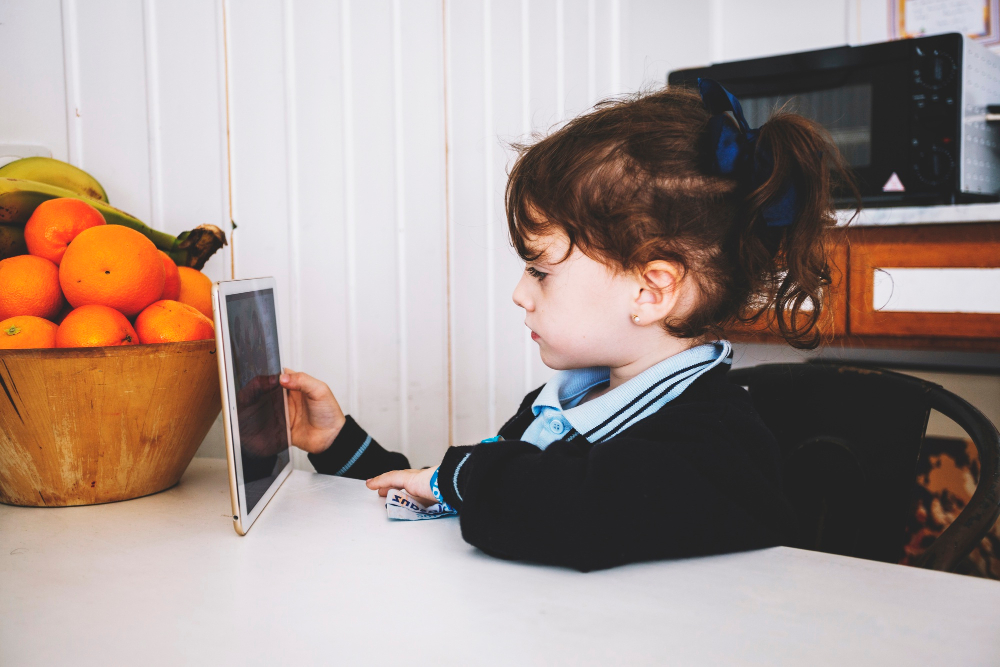
Screen time & your child’s growth is a topic every parent should understand. Today, children use screens for learning, fun, and socializing. However, too much screen time can affect your child’s growth and development. Because screens are everywhere, it is important to know how they impact your child’s health. In this blog, you will learn about the effects of screen time, healthy habits, and expert guidelines. Let’s explore what every parent needs to know to help their child grow well in a digital world.
What Is Screen Time?
Screen time means the amount of time your child spends using devices with screens. These include TVs, tablets, smartphones, computers, and gaming consoles. For example, watching cartoons, playing games, or using apps all count as screen time. While some screen use can be helpful, too much can cause problems. Therefore, it is important to balance screen time with other activities.
How Screen Time Impacts Physical Growth
Too much screen time can affect your child’s physical growth. When children sit for long periods, they move less. As a result, they may gain extra weight or develop poor posture. According to the World Health Organization (WHO), children need daily physical activity for healthy bones and muscles. In addition, staring at screens for hours can cause eye strain and headaches. For these reasons, limiting screen time helps your child stay active and healthy.
Effects on Cognitive and Emotional Development
Screen time also impacts your child’s brain and emotions. For instance, too much screen use can make it harder for children to focus or learn new things. The American Academy of Pediatrics (AAP) notes that young children learn best through real-life play and talking with others. Moreover, children who spend more time on screens may feel lonely or anxious. They might also have trouble sleeping. Because of these risks, it is important to watch for changes in your child’s mood or behavior.
Recommended Screen Time Guidelines by Age
Experts offer clear screen time guidelines for children. Following these can help your child grow well:
These guidelines come from the WHO and AAP. However, every child is different, so adjust as needed for your family.
Tips for Healthy Screen Habits
Building healthy screen habits is possible. Here are some tips to help your child:
With these steps, you can help your child use screens in a healthy way.
Warning Signs of Excessive Screen Time
Sometimes, children may use screens too much. Watch for these warning signs:
If you notice these signs, it may be time to cut back on screen time.
Prevention and Parental Guidance
Parents play a key role in guiding healthy screen use. First, set a good example by limiting your own screen time. Next, talk openly with your child about why limits are important. Also, encourage outdoor play and hobbies that do not involve screens. If you have concerns, do not hesitate to ask your child’s doctor for advice. Early action can prevent problems and support your child’s growth.
In summary, screen time & your child’s growth are closely linked. By following expert guidelines and building healthy habits, you can help your child thrive. For personalized advice, consult your pediatrician.