
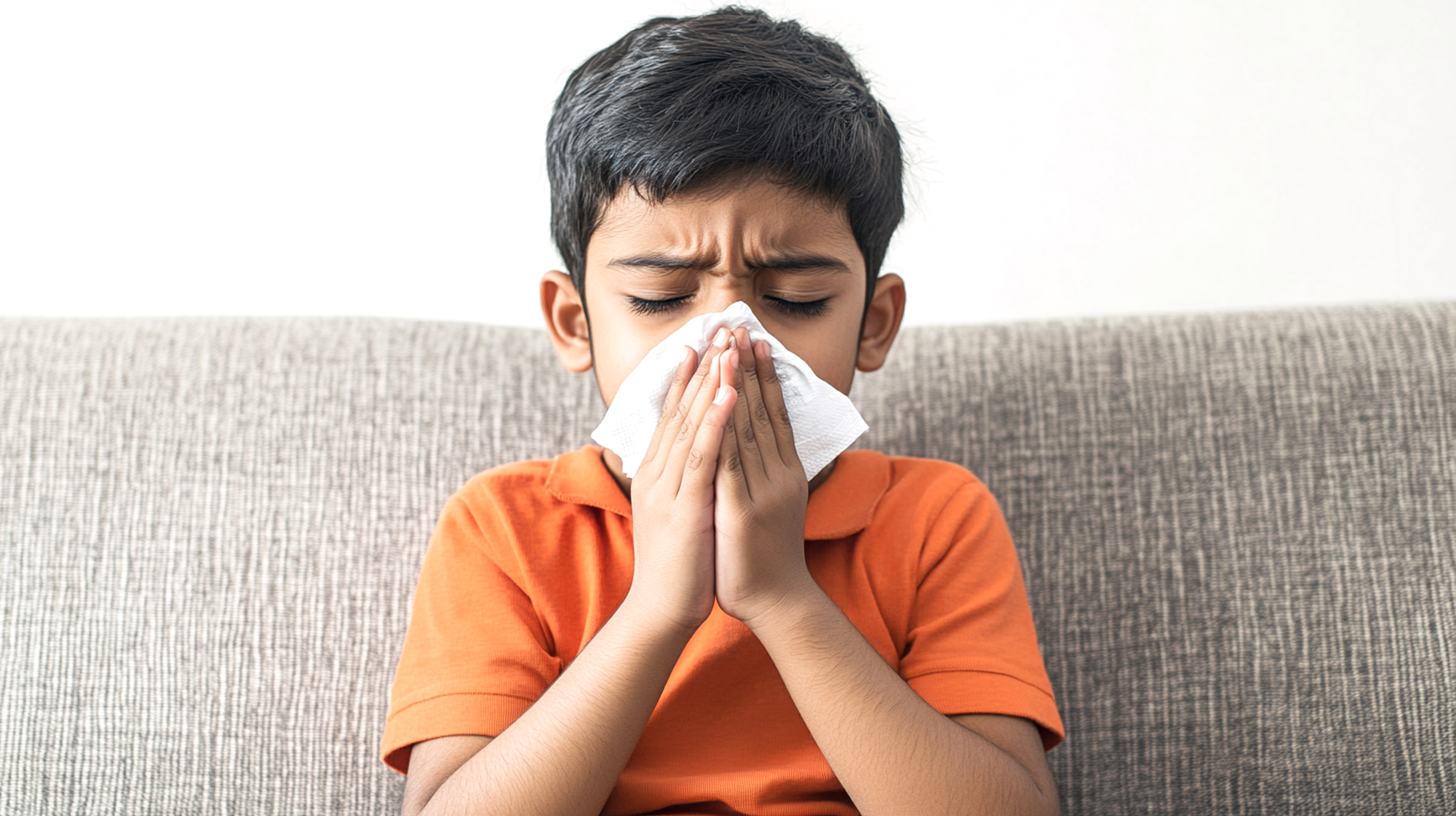
What Are Pediatric Allergies?
Pediatric allergies are allergic reactions that happen in children. These reactions occur when a child’s immune system responds to harmless things like pollen, food, or dust. Because the immune system thinks these things are dangerous, it causes symptoms. Pediatric allergies are common and can affect children of all ages. Early recognition helps families manage symptoms and improve quality of life.
Common Symptoms of Pediatric Allergies
Children with allergies may show different signs. However, some symptoms are more common than others. Early detection can help prevent serious problems. Look for these signs:
Sometimes, symptoms appear right away. Other times, they may develop slowly. If your child has trouble breathing, seek help immediately.
Main Causes and Risk Factors
Many things can trigger pediatric allergies. For example, common causes include:
Some children are more likely to develop allergies. Risk factors include:
Because genetics play a role, children with allergic parents are at higher risk.
How Pediatric Allergies Are Diagnosed
Doctors use several methods to diagnose pediatric allergies. First, they ask about your child’s symptoms and medical history. Next, they may perform a physical exam. Sometimes, doctors use allergy tests to find the cause. These tests include:
Early diagnosis helps families manage allergies better and avoid triggers.
Effective Treatment Options
Treating pediatric allergies depends on the type and severity. However, several options are available. Common treatments include:
Because each child is different, doctors create personalized treatment plans. Always follow your doctor’s advice for the best results.
Lifestyle Tips and Prevention Strategies for Families
Families can take steps to reduce allergy risks. For instance, try these tips:
Additionally, regular check-ups with your pediatrician can help track symptoms and adjust treatment as needed.
Conclusion
Pediatric allergies can be managed with the right care and knowledge. Early detection, proper treatment, and prevention make a big difference. Consult a pediatric specialist for personalized advice on managing allergies in children.